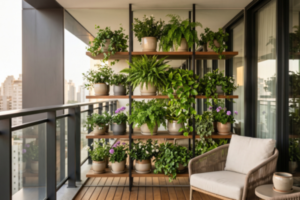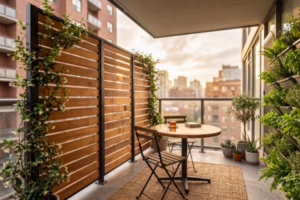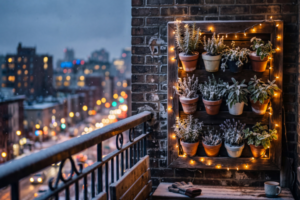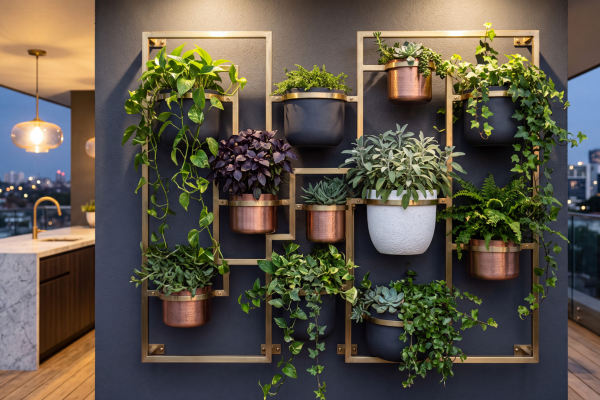
Finishes for modular vertical garden projects are often the piece that turns a simple plant wall into something people actually stop and admire. You can have the healthiest greenery on the block, but if the pots, supports and small details do not match, the whole setup can feel unfinished.
Anyone who has tried to plan a balcony or an outdoor kitchen area knows this feeling. You pick the plants first, get excited about the layout, and then realize the hardware and containers were an afterthought.
This guide walks through the practical choices behind pots, supports and finishes for modular vertical garden setups, including tips that work especially well for a modular vertical garden for gourmet balconies. By the end, you should feel confident picking pieces that look good and hold up over time.
Understanding Finishes for Modular Vertical Garden Systems
When people talk about finishes for modular vertical garden structures, they usually mean the visible surface details: the coating on metal frames, the glaze on ceramic pots, the texture of wood panels, and the small connectors that hold everything together. These choices affect how the garden looks from ten feet away and how it feels up close.
A lot of homeowners assume finishes are purely decorative, but they also protect the structure. A powder coated frame resists rust far better than raw metal left outside. A sealed wood panel handles rain and humidity without warping as quickly. So the finish is doing double duty: making the piece attractive and making it last.
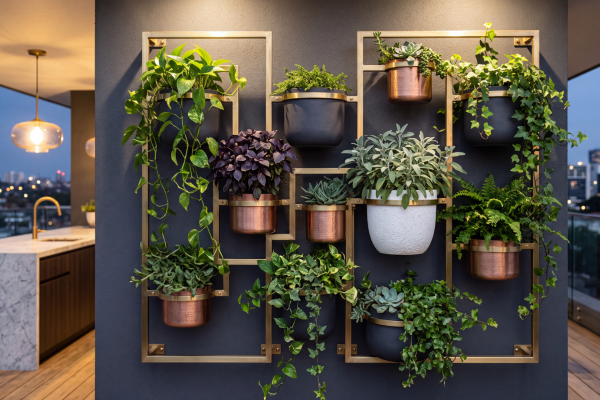
Think about a friend who installed a plant wall on her patio last spring. She loved the layout but chose an unfinished steel frame to save money. Within four months, small rust spots showed up wherever water pooled. A simple upgrade to a coated finish would have prevented the whole headache.
Here are a few common finish types used on vertical garden hardware:
- Powder coated metal, available in matte or gloss
- Galvanized steel, prized for its industrial look
- Natural or stained wood panels
- Ceramic glazes in solid or textured patterns
- Weather resistant vinyl or composite panels
Picking the right one depends on your climate, your budget and the style you want for the space.
Why the Right Pots Make All the Difference
Pots are the most visible part of any vertical planting system, and honestly, they get less attention than they deserve. People spend hours picking plants and almost no time thinking about what holds them.
Pot shape changes the whole rhythm of the wall. Round pots feel soft and casual, square ones look more structured and modern, and elongated trough style containers create a cleaner line across each row. Mixing shapes without a plan usually looks messy, so it helps to pick one dominant shape and use a second shape sparingly as an accent.
Material matters just as much as shape. Terracotta breathes well and suits a warm, rustic style, but it can crack in freezing temperatures if left outdoors year round.
Fiberglass and resin pots are lighter, resist cracking, and come in almost any color, which makes them a popular pick for modern gourmet balcony designs. Ceramic pots bring a polished look but add weight, something to keep in mind if your vertical structure is mounted on drywall or a lightweight railing.
Drainage design is not something to skip. Pots without proper drainage holes or trays can trap water against the wall, damaging both the plants and the structure behind them. Look for pots built specifically for vertical systems, since they usually include side or bottom drainage paths designed to keep water moving away from the wall surface.
A few questions worth asking before buying pots:
- Does the pot size match the root depth of your chosen plants
- Will the color clash or complement the surrounding wall or railing
- Is the material rated for outdoor exposure in your region
- Can the pot be removed easily for replanting or cleaning
Choosing Supports That Match Your Style and Space
The support system is the skeleton of the whole project, so getting it right early saves a lot of frustration later. Supports include the frame, brackets, rails and any hanging hardware that keeps pots in place.
Wall mounted grid systems are common because they are flexible. You can rearrange pots as plants grow or as the season changes, without redoing the entire installation. Modular panel systems, on the other hand, come as pre built sections that snap or bolt together, which works nicely for renters who might need to take the whole thing down later.
Weight capacity is one of the most overlooked details. A support rated for light succulents will not hold up under the weight of soaked soil and mature herbs. Before mounting anything to a wall or railing, check the manufacturer’s weight rating and compare it against the estimated weight of your pots once they are filled and watered. It is smarter to size up than to find out the hard way that a shelf gave in.
For anyone building a modular vertical garden for gourmet balconies, space is often tight, so vertical rail systems that attach to a railing or fence tend to work better than freestanding shelving. They keep the floor open for a grill, a small table, or a couple of chairs, which matters a lot on a compact balcony.
Another point people tend to forget is spacing between rows. Herbs and small vegetables need enough gap between shelves for air to move and for light to reach the lower rows evenly. A support system with adjustable shelf height gives you room to fix that problem later, instead of being locked into one fixed layout from the very first day.
Once tomatoes or trailing herbs start filling out, that extra inch or two of breathing room makes a real difference in how everything grows.
It also helps to think about how the support attaches to the surface behind it. Concrete and brick usually call for anchor bolts, while stucco or siding may need special fasteners that will not crack the surface over time.
Renters, in particular, should look for clip on or freestanding options that avoid drilling altogether, since those tend to be easier to remove without leaving marks when a lease ends.
Some support options to consider by setting:
- Wall mounted metal grids for brick, stucco or concrete walls
- Freestanding wood or metal towers for open patios
- Railing clip systems for apartment balconies with limited drilling options
- Trellis style frames for climbing herbs like mint or thyme
Color Palettes and Textures That Elevate a Modular Vertical Garden for Gourmet Balconies
Color choice is where personal style really shows up. A monochrome palette, like all white or all charcoal pots, tends to look clean and lets the plants themselves become the main visual interest. A mixed palette with warm terracotta, deep green and natural wood tones creates a cozier, more layered feel.
Texture plays a bigger role than most people expect. A wall full of smooth glossy pots reads as sleek and contemporary, while textured ceramic or woven baskets bring a handmade, cottage style feel. Combining a couple of textures, like smooth metal supports with textured ceramic pots, often looks more intentional than sticking to one texture across the board.
If the balcony already has a strong design theme, like a Mediterranean outdoor kitchen or a minimalist black and white patio, the finishes for the vertical garden should echo that theme rather than compete with it. A good rule many designers follow is picking one dominant material, one accent material, and one metal tone for hardware, then staying consistent across the whole layout.
Popular color combinations for gourmet balcony vertical gardens include:
- Black metal frames with terracotta pots and green foliage
- White or cream pots against a natural wood backing panel
- Matte gray supports paired with deep green or navy ceramic containers
- Natural rattan style planters with brass or copper accents
Materials Guide: Metal, Wood, Ceramic and More
Choosing materials is really about balancing looks, weight, durability and price, and every material brings its own tradeoffs. Metal frames, usually aluminum or galvanized steel, hold up well outdoors and support heavier loads, but they can get hot under direct sun, which matters if you are placing herbs that prefer cooler soil.
Wood brings warmth that metal simply cannot replicate, and it pairs beautifully with almost any plant color. Cedar and teak are popular because they naturally resist rot and insects better than softer woods like pine. That said, wood needs occasional resealing to keep it from graying or splitting, especially in regions with heavy rain or strong sun exposure.
Ceramic and ceramic composite pots offer the richest range of colors and glazes, which is why they show up so often in photos of well designed vertical gardens. They are heavier and more fragile than plastic or resin, so they work best on sturdy, well anchored supports rather than lightweight hanging systems.
A quick comparison of common materials:
- Aluminum: lightweight, rust resistant, works well in coastal or humid climates
- Galvanized steel: strong and affordable, slightly heavier than aluminum
- Cedar or teak wood: warm look, needs periodic sealing
- Ceramic: rich color options, heavier, more fragile
- Fiberglass or resin: budget friendly, lightweight, wide color range
Lighting and Small Details That Complete the Look
Lighting rarely gets grouped with finishes, but it absolutely belongs in the conversation. A well placed strip light or a few small solar fixtures can turn a daytime garden feature into an evening focal point, which matters a lot for anyone who uses their balcony for dinners or gatherings after sunset.
Small hardware details, like screws, clips and edge trim, deserve a second look too. Mismatched or visible raw hardware can undercut an otherwise well planned design. Many manufacturers now sell trim kits or matching cap covers specifically to hide brackets and screws, giving the whole wall a cleaner, more finished appearance.
Labels, small signage, or decorative edging around the base of the structure are optional, but they add a personal touch that many gourmet balcony owners enjoy. A simple engraved plant marker or a painted wood label for herbs used in cooking gives the space a lived in, cared for feeling rather than a showroom look.
Maintenance Tips to Keep Finishes Looking New
Even the best finishes for modular vertical garden setups need occasional care to stay looking sharp. Metal frames benefit from a quick rinse every few months to remove dust, pollen and salt buildup, especially in coastal areas where salt air speeds up corrosion.
Wood elements should be checked at least once a year for cracking, graying or loose joints. A light sanding followed by a fresh coat of sealant usually restores the original color and adds another layer of protection against moisture. Ceramic pots rarely need much beyond a soft cloth wipe down, though it helps to check drainage holes periodically to make sure they have not clogged with soil or roots.
A short seasonal checklist can save a lot of trouble later:
- Rinse metal hardware every two to three months
- Inspect wood for cracking or fading each spring
- Clear drainage holes before heavy rain season
- Tighten loose brackets or screws twice a year
- Reapply sealant on wood panels roughly once a year
Frequently Asked Questions
People searching for guidance on vertical garden design tend to ask similar practical questions. Here are answers to some of the most common ones.
What is the best finish for a modular vertical garden in a humid climate?
Powder coated aluminum or galvanized steel tends to perform best in humid or coastal areas, since both resist rust far longer than untreated metal. Ceramic and resin pots also handle humidity well, as long as drainage is solid.
How do I choose pots for a small gourmet balcony?
Lightweight trough style pots made from resin or fiberglass work well on small balconies because they hold a good amount of soil without adding excessive weight to railings or wall brackets.
Can I mix different pot materials in one vertical garden?
Yes, mixing materials like ceramic and metal is common and can look great as long as one color or finish tone ties the pieces together visually.
How often should I reseal wood supports?
Most cedar or teak supports benefit from resealing once a year, though homes in areas with intense sun or heavy rainfall may need it every six to eight months.
Do vertical garden supports need to be professionally installed?
Many modular systems are designed for straightforward do it yourself installation, but heavier setups with ceramic pots or large wood panels often benefit from professional anchoring, especially on shared building walls or railings.
Bringing It All Together
Choosing pots, supports and finishes for modular vertical garden projects does not need to feel overwhelming once you break it down piece by piece. Start with the structure, move on to pot material and shape, then layer in color, texture and small details until the whole thing feels like one cohesive design.
Every balcony has its own personality, and the best results usually come from combining practical choices, like weather resistant materials and proper drainage, with the style you genuinely enjoy looking at every day.
A modular vertical garden for gourmet balconies works best when function and appearance grow together rather than one being sacrificed for the other.
Next time you are planning your own setup, take a slow walk through your space before buying anything. Notice the light, the existing colors, and how much room you really have. Those small observations often lead to better choices than any product list ever could.
If this guide helped you picture your own project a little more clearly, feel free to browse a few more balcony and garden design articles on the blog, or drop a comment below with the style you are working toward. It always helps to hear what other readers are building too.