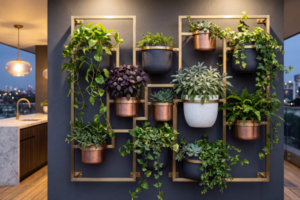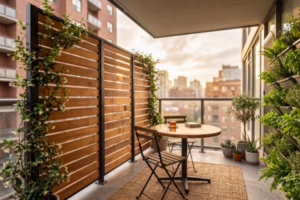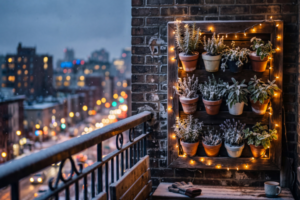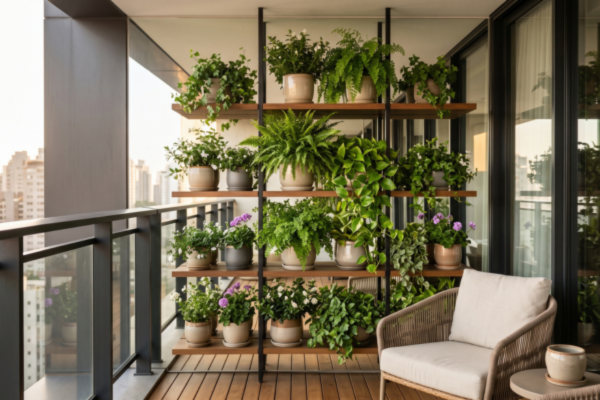
A vertical garden with mirrors can turn a small, plain balcony into a space that feels twice as big and twice as vibrant. If you have ever stood on a narrow balcony wishing it looked bigger and greener at the same time, this idea might be exactly what you need.
Mirrors are not just for hallways or bathrooms anymore. When placed the right way behind plants, they bounce light around, double the visual depth of a space, and make even a small collection of pots look like a lush wall of greenery.
In this article, Marcos walks you through everything you need to know to plan, build, and care for your own reflective plant wall, plus some ideas for a modular vertical garden for gourmet balconies that want both beauty and function.
Why a Vertical Garden with Mirrors Works So Well on Small Balconies
The main reason people fall in love with a vertical garden with mirrors is simple. It solves two problems at once: lack of space and lack of light. Most city balconies are narrow, sometimes shaded by neighboring buildings, and there is rarely enough floor space to fit more than a couple of pots.
When you add a mirror behind or beside your plant wall, the reflected light spreads across leaves that would otherwise sit in shadow. That means healthier growth, brighter colors, and a balcony that photographs beautifully during golden hour. Have you ever noticed how a room with a big mirror always feels less cramped? The same trick applies outdoors.
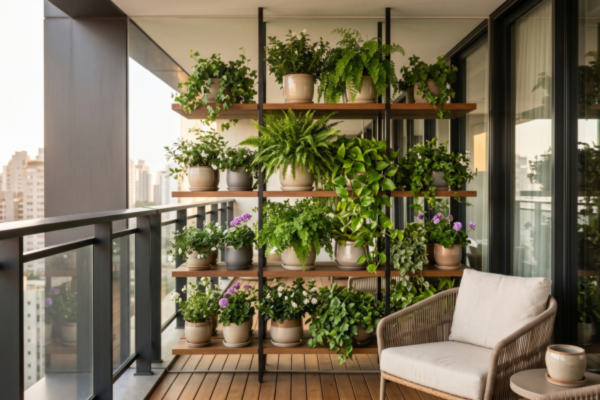
Beyond the visual gain, mirrors also help distribute natural light more evenly among your plants. Instead of the front row soaking up all the sun while the back row struggles, the reflected rays fill in the gaps. This is particularly handy for apartment dwellers in cities like New York, Chicago, or Seattle, where balconies often face north or get blocked by taller buildings nearby.
Doubling depth without doubling square footage
Think about a balcony that measures six feet by three feet. That is not much room to work with. But mount a mirror panel along the back wall, behind a layered plant structure, and the eye reads the space as almost twice its actual size. This trick has been used by interior designers for decades, and it translates outdoors just as well.
Balancing sunlight for shaded balconies
If your balcony gets partial sun, positioning a mirror to catch the available light and redirect it toward shade-loving plants like ferns or pothos can make a real difference in how well they thrive.
Planning Your Layout Before You Buy Anything
Before you run out and grab the first mirror you see, it pays to spend a little time planning. A rushed vertical garden with mirrors project can end up looking cluttered or, worse, become a safety hazard if the mirror is not secured properly for outdoor conditions.
Start by measuring your balcony carefully, noting where the sun hits at different times of day. Morning light and afternoon light behave differently, and knowing this will help you decide where to place both your plants and your reflective panels. A balcony that gets strong afternoon sun, for example, might need the mirror angled to soften direct glare rather than intensify it.
Next, think about weight. Vertical structures, pots filled with damp soil, and glass or acrylic mirrors add up quickly. Many apartment buildings have weight limits for balconies, so it is smart to check your lease or ask your building manager before installing anything permanent.
A few practical points to consider during planning:
- Measure the wall space and note any electrical outlets, drains, or railings that might interfere with mounting.
- Check local weather patterns, since areas with heavy storms or high humidity need extra-durable materials.
- Decide early whether you want a fixed installation or a movable modular vertical garden for gourmet balconies that can be rearranged as the seasons change.
- Sketch a rough layout on paper, marking where mirrors, shelves, and plant pockets will sit.
Choosing the right wall or railing spot
Not every balcony wall is a good candidate for mirrors. Interior walls that get some shelter from rain tend to work best, since outdoor-grade mirrors, while more resistant than regular glass, still benefit from a bit of protection against the elements.
Sketching your design before installation day
Even a rough drawing helps you avoid costly mistakes. Mark where each mirror panel will go, how tall your plant tiers will rise, and whether you will need a ladder or ledge for maintenance later on.
Choosing the Right Type of Mirror for Outdoor Use
This step often gets overlooked, and it is one of the most important. Regular household mirrors are not built to handle rain, humidity, or temperature swings, so using the wrong type can lead to cloudy spots, rust along the edges, or even cracking within a season.
Acrylic mirrors, sometimes called mirrored plexiglass, are a favorite among balcony gardeners because they are lightweight, shatter-resistant, and far less prone to fogging compared to standard glass. They do scratch more easily, so if your balcony sees a lot of foot traffic or pets, that is worth keeping in mind.
Tempered glass mirrors with a weatherproof backing are another solid option. They tend to last longer under direct sun exposure and hold their reflective quality better over time, though they are heavier and require sturdier mounting hardware.
Stainless steel mirror panels, while pricier, offer the most durability against wind, rain, and even coastal salt air if you live near the ocean. Many homeowners choose these for a modular vertical garden for gourmet balconies because they pair well with outdoor kitchen elements like grills or countertops.
Comparing acrylic versus tempered glass
If budget and weight are your main concerns, acrylic wins. If you want something closer to a true mirror finish that resists scratching, tempered glass is usually the better long-term investment.
Weatherproofing tips that actually matter
Sealing the edges of any mirror panel with outdoor-rated silicone caulk prevents moisture from creeping behind the surface, which is often what causes that foggy, aged look after a year or two.
Building the Structure: Frames, Shelves, and Mounting Options
Once you know which mirror type suits your balcony, the next step is figuring out how everything will physically hold together. This is where a lot of people get intimidated, but it does not have to be complicated.
Wooden pallets remain one of the most popular bases for a DIY vertical garden with mirrors, mainly because they are affordable and easy to modify. You can sand them down, seal them against moisture, and attach small mirror tiles between the plant pockets for a layered, reflective effect.
Metal grid panels, the kind sold for closet organization, also work surprisingly well. They are sturdy enough to hold hanging planters and give you a ready-made framework to attach mirror pieces at different heights, creating that sense of depth we talked about earlier.
For renters who cannot drill into walls, freestanding ladder shelves or A-frame structures offer a no-damage alternative. You simply lean or set them against the railing, hang your plants and mirrors on the frame itself, and move the whole thing if you ever relocate.
Some things to keep in mind when building:
- Use rust-resistant screws and brackets, since outdoor moisture speeds up corrosion.
- Leave enough space behind each mirror for airflow, which helps prevent trapped humidity from damaging both the mirror backing and the plant roots.
- Test the stability of your structure with the weight of watered pots before adding the mirrors, since wet soil is heavier than it looks.
Pallet-based builds for a rustic look
A stained wooden pallet with small octagonal or square mirrors tucked between planter boxes gives a farmhouse feel that pairs nicely with herbs like rosemary, thyme, and mint.
Freestanding frames for renters
If you cannot make permanent changes to your balcony, a portable frame gives you nearly the same reflective effect without touching a single wall.
Picking Plants That Thrive Near Reflective Surfaces
Not every plant reacts the same way to the extra light bounced off a mirror. Some species love the boost, while others can actually get scorched if the reflected sun is too intense, especially during peak summer afternoons.
Shade-tolerant plants like pothos, ferns, and peace lilies generally respond well to indirect reflected light, growing fuller and greener than they would in a dimmer corner alone. On the other hand, delicate plants with thin leaves, such as certain ferns or begonias, can suffer if the mirror concentrates too much direct afternoon sun onto them.
Herbs are a favorite choice for anyone building a modular vertical garden for gourmet balconies, since basil, chives, and parsley not only tolerate the extra brightness but also give you fresh ingredients right outside your kitchen door.
Succulents and sedums, known for handling heat well, also do nicely near mirrors because they are naturally built to cope with intense light.
A helpful approach is grouping plants by their light tolerance level, placing the sun-loving varieties closest to where the mirror reflection is strongest and keeping the more delicate greenery a bit further away or angled so the reflected beam passes beside rather than directly onto the leaves.
Best plant choices for bright reflected light
Succulents, herbs, and most flowering annuals like petunias or marigolds tend to flourish with the added brightness a mirror provides.
Plants to avoid placing too close to a mirror
Thin-leafed tropicals and anything already labeled as low-light or shade-only should stay a comfortable distance from direct reflection to avoid leaf burn.
Maintenance Tips to Keep Your Reflective Garden Looking Fresh
A vertical garden with mirrors does need a bit more upkeep than a standard plant wall, mainly because you are caring for two elements at once: the plants and the reflective surfaces themselves.
Cleaning the mirrors regularly, roughly every two to three weeks depending on your local climate, keeps them free of water spots, dust, and the occasional pollen film that builds up outdoors. A soft microfiber cloth with a mix of water and a small amount of vinegar usually does the job without leaving streaks or scratching acrylic surfaces.
Watering routines also need slight adjustments. Since the reflected light can dry out soil faster in certain spots, check moisture levels near the mirrors a little more often than you would elsewhere on the balcony. A simple finger test, inserting a finger about an inch into the soil, tells you quickly whether it is time to water again.
Seasonal changes matter too. During winter, especially in colder states, it is smart to check that no water has pooled behind the mirror panels, since freezing and thawing cycles can warp frames or crack certain mirror types over time.
A short maintenance checklist that many balcony gardeners find useful:
- Wipe down mirrors every two to three weeks with a gentle, non-abrasive cleaner.
- Rotate potted plants occasionally so all sides get even reflected light exposure.
- Inspect mounting hardware twice a year for rust or loosening.
- Trim back any growth that starts blocking the mirror’s reflective surface.
Cleaning schedules that fit real life
You do not need a strict calendar, just a habit of glancing at the mirrors whenever you water your plants and giving them a quick wipe if they look dull.
Seasonal adjustments for colder climates
Bringing acrylic panels indoors during the harshest winter months, if your setup allows, extends their lifespan considerably compared to leaving them exposed year round.
Budget-Friendly Ideas Versus Premium Modular Systems
Cost is often the deciding factor for balcony projects, and thankfully a vertical garden with mirrors can be built at almost any price point, from a weekend thrift-store project to a fully custom installation.
On the budget end, small mirror tiles, the kind sold in packs at home improvement stores, can be glued or screwed onto an existing plant shelf for just a few dollars. Combined with recycled containers like tin cans or plastic bottles cut in half, this approach lets you experiment with the concept before committing to anything expensive.
Mid-range options usually involve purchasing a ready-made vertical planter system, then adding acrylic mirror sheets cut to size at a local hardware store. This gives a more polished look without the cost of custom fabrication.
For those wanting a true modular vertical garden for gourmet balconies, premium kits exist that combine built-in irrigation, weatherproof mirror panels, and interchangeable shelving, often marketed alongside outdoor kitchen furniture. These systems cost more upfront but save time on maintenance and tend to hold up better against years of sun and rain.
Frequently Asked Questions About Vertical Gardens with Mirrors
People searching for this idea online tend to ask similar practical questions, so here are quick, honest answers based on what balcony gardeners commonly want to know before starting their own project.
Do mirrors actually help plants grow better?
Yes, to a degree. Mirrors reflect available light rather than creating new light, so they help plants in partially shaded spots receive more brightness than they would otherwise get, though they cannot replace direct sunlight for sun-loving species.
What is the best material for an outdoor mirror on a balcony?
Acrylic mirror panels are usually the easiest starting point because they are lightweight and shatter-resistant, while tempered glass with weatherproof backing offers a longer lifespan for those willing to invest a bit more.
Will a mirror make my balcony too hot for plants?
It can, if positioned poorly. Angling the mirror so reflected light passes near rather than directly onto delicate leaves usually prevents any heat buildup that could stress your plants.
Can renters install a vertical garden with mirrors without damaging walls?
Absolutely. Freestanding frames, railing-mounted planters, and lean-to ladder shelves let you build the entire setup without drilling into walls, making it easy to take everything with you when you move.
How much does a modular vertical garden for gourmet balconies typically cost?
Prices vary widely depending on materials, ranging from under one hundred dollars for a basic DIY version to several hundred dollars for premium kits with built-in irrigation and weatherproof mirrored panels.
How often should I clean the mirror panels?
Roughly every two to three weeks works for most climates, though homes near the coast or in dusty areas might need more frequent wiping to keep the reflective surface clear.
Bringing It All Together on Your Own Balcony
Building a vertical garden with mirrors is one of those projects that rewards a little patience with a big visual payoff. Once the mirrors are in place and the plants start filling in, the transformation tends to surprise even the person who built it.
Remember that the small details, choosing the right mirror material, grouping plants by their light needs, and keeping up with basic cleaning, matter just as much as the initial design. A balcony that looked cramped and dull can become the favorite corner of your home with the right combination of reflection and greenery.
Whether you go for a simple thrifted version or invest in a full modular vertical garden for gourmet balconies, the goal stays the same: more light, more life, and a space that finally feels like it belongs to you.
If this gave you some ideas, take a look at other articles on the blog for more balcony and small-space gardening projects, and feel free to leave a comment sharing how your own reflective garden turns out.